For six generations, Loro Piana has been a testament to impeccable savoir-faire and uncompromising quality. Ing. Loro Piana was founded in April 1924 in Quarona, an area interlaced with textile traditions for centuries. The textile production company, which later became a fashion Maison, opened its first boutique in the heart of Milan in 1998. Loro Piana’s legacy in curating and crafting fabrics from the purest raw materials from around the world speaks for itself. From fibre to fabric to store, a long journey ensues. The Maison deals with some of the world’s most precious fibres, such as Vicuña, Pecora Nera, wool, and cashmere.
It all starts in Piedmont, at the Loro Piana Roccapietra mill, the largest production site in the West for processing cashmere, Baby Cashmere, Vicuña, and wool. Roccapietra is where the transformation process from fibre to thread begins.
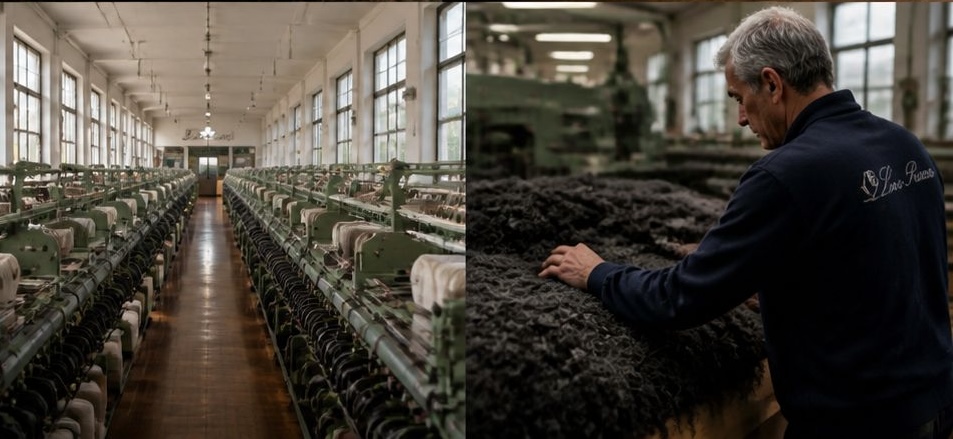
The mill is not only home to the spinning process but also to the world’s largest analysis and quality-control lab for cashmere, vicuña, and wool. The work is indeed meticulous, as every batch that arrives is measured and tested by professionals against strict parameters to ensure an uncompromising standard of quality and purity—the Loro Piana way. The process of identifying fibres involves a close microscope inspection of the different micron diameters and lengths of each respective fibre. Production begins in the raw materials storage area, where a pneumatic system sends the fibres to the carding machines, where fine combing takes place until a golden ratio standard is achieved.
These fibres, being treated, come from specific regions worldwide, such as Mongolia, South America, New Zealand, and Australia, corresponding to the different fibres in question. Once the combing process is finalized, fibres that do not reach the standard are discarded for other uses. A spinning process then ensues. The fibres are transferred to spinning machines that twist and draw them at high speeds to give them the strength to be transformed into yarn. Although the process is automated, workers manually observe the spinning machines to ensure the spinning of threads is going well and in accordance with the required standard.
Next, the healthy elasticity of the strands is tested before winding begins, eliminating any thick areas of yarn detected by a sensor that cuts and rebuilds it to ensure everything is pristine. Some threads, however, require special treatment for elasticity, so they undergo a vaporization treatment in a specialized part of the factory equipped with machines tailored to this need.
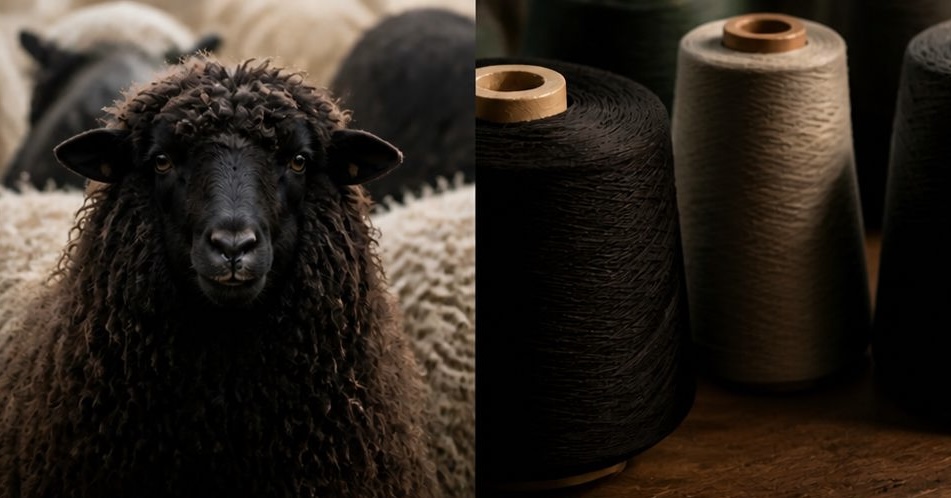
Finally, as the last step at this factory, the yarns are finished: they are unloaded from the winding machines, weighed, and catalogued. With step one finalized in Roccapietra, a 10-minute drive takes us to Quarona for the second part of the process.
In Quarona, yarn is transformed into the fabric that forms Loro Piana’s collections. Machines prepare the vertical structure of the fabric, which is then supplemented by horizontal yarn on looms to create the fabric’s patterns. The process is no longer limited to pure science, as science merges with creative genius. The factory boasts an experimental dye lab where different color combinations are tested on small fabric samples before a final choice is made for specific designs. Different artisanal expertise is applied at this stage, as Loro Piana artisans use their skills to combine fibres, textures, and colors to create the Maison’s signature textiles. The Quarona factory houses many different entities, each specializing in a specific step of the process. Unique processes include waxing and sizing. The former involves preparing the yarn to render it slippery and improve its sliding through the frame.
This can be done while unloading the beam from the warping machine, through the cold application of suitable chemical products to the warp threads, with the goal of improving fibre cohesion and reducing yarn fluffiness. Alternatively, sizing can be carried out, particularly for chains made up of very weak or untwisted yarns. Sizing involves skilled workers impregnating the hot yarn with substances that form a film on the surface to make it more resistant and allow it to slide better during weaving.
This treatment enables the yarn to better tolerate tension and rubbing on the frame. It is important to note that every meter of fabric produced is checked four to six times to uphold the specific standard set by Loro Piana. Noticeably large areas of the factory are dedicated to the finishing stages of the product cycle. From shrinking to washing, softening, shearing, and napping, Loro Piana fabrics undergo several tests and finishes to ensure they meet standards of both strength and aesthetics. However, the most remarkable stage of all is when experts manually inspect each millimeter of the approximately 5 million meters of fabric produced annually.
Professionals in Quarona describe how years of meticulous training are required to prepare for this delicate manual job. It is worth noting that the number of young people willing to go through this training and practice this job has significantly decreased in recent years, which could present a future challenge for Loro Piana, as this expertise is essential and represents a generationally transmitted savoir-faire.
Following this inspection, samples from the products are archived, and the textiles and products are divided, organized, labelled, and prepared for shipping. Overall, the steps from fibre to fabric are summarized in this report, but more importantly, this deep dive into the production process is another testament to the uncompromising Loro Piana standard. It highlights the rich textile heritage and savoir-faire that have been passed down from one generation to the next for 100 years. One hundred years of excellence, innovation, and dedication, with a signature Loro Piana touch.
A
Leave a Reply